
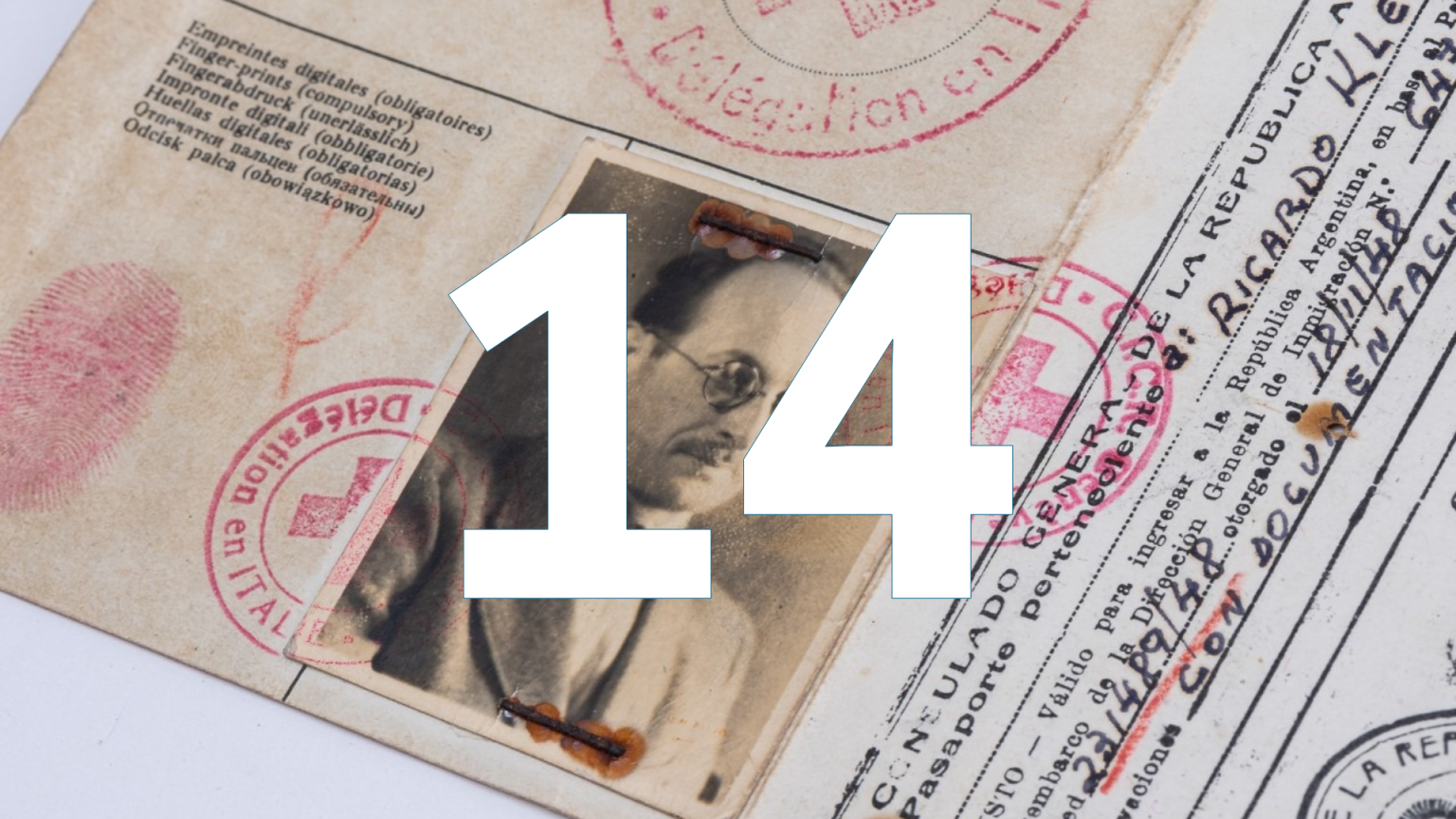
Al finalizar la Segunda Guerra Mundial, distintos servicios de inteligencia, cazadores de nazis y actores judiciales iniciaron la búsqueda de criminales del Tercer Reich que habían escapado de Europa. En ese contexto, el primer ministro israelí David Ben-Gurion encargó al Mossad la captura de un jerarca nazi para ser juzgado en Israel. Entre los nombres prioritarios figuró Adolf Eichmann, uno de los principales responsables de organizar la deportación de judíos europeos hacia guetos, campos de concentración y centros de exterminio.
La primera pista concreta sobre su paradero en Argentina surgió en 1958, a partir de un encuentro fortuito entre Silvia Hermann y Klaus Eichmann, quien se hacía llamar Nicolás, en un cine de Olivos. El padre de Silvia, Lothar Hermann, refugiado que llegó a la Argentina y ex prisionero del campo de concentración de Dachau, sospechó la verdadera identidad del joven y alertó al fiscal general de Frankfurt, Fritz Bauer. Bauer, consciente de las limitaciones del sistema judicial alemán de posguerra, transmitió la información de manera reservada a Israel.
Al principio, el Mossad descartó la pista porque consideró poco probable que Eichmann viviera en condiciones tan modestas. Sin embargo, Bauer aportó un elemento decisivo: el legajo original de Eichmann en la SS, con datos físicos, familiares y administrativos. Esa documentación permitió reactivar la investigación y orientar la búsqueda hacia Ricardo Klement, la identidad falsa con la que Eichmann vivía en San Fernando.
En 1960, el agente Zvi Aharoni viajó a la Argentina para confirmar la identidad de Klement. Mediante seguimientos, vigilancia encubierta y fotografías tomadas con cámaras ocultas, los servicios israelíes compararon sus rasgos físicos con los registros de la SS, especialmente la forma de su oreja izquierda.
Confirmada su identidad, el Mossad puso en marcha la llamada “Operación Final”. Un equipo de agentes ingresó al país con identidades falsas, equipamiento clandestino y tareas estrictamente compartimentadas. Durante varias semanas vigiló la rutina diaria de Eichmann, quien regresaba cada tarde en colectivo hasta su casa de la calle Garibaldi.
La captura se produjo el 11 de mayo de 1960. Los agentes aprovecharon un tramo oscuro entre la parada del colectivo y su domicilio, lo redujeron y lo trasladaron en un vehículo con placas falsas. En una casa de seguridad, Eichmann insistió inicialmente en su identidad falsa, pero durante un interrogatorio en alemán respondió de manera automática a una pregunta sobre su número de la SS. Poco después admitió quién era y firmó un documento en el que aceptó ser trasladado a Israel.
El traslado se realizó en un vuelo especial de El Al, organizado con motivo del Sesquicentenario argentino. Eichmann salió del país disfrazado como miembro de la tripulación y parcialmente sedado. El 23 de mayo de 1960, Ben-Gurion anunció que Eichmann estaba bajo custodia israelí. Su juicio comenzó en abril de 1961 en Jerusalén, tuvo impacto mundial y dio un lugar central a los testimonios de las víctimas. Eichmann fue declarado culpable y condenado a muerte. La sentencia se cumplió en la noche del 31 de mayo al 1 de junio de 1962. Su cuerpo fue cremado y sus cenizas fueron arrojadas al mar Mediterráneo, fuera de las aguas territoriales de Israel.

 Lanzamos nuestro canal de WhatsApp
Sumate al nuevo canal oficial del Museo del Holocausto de Buenos Aires y recibí en tu celular las últimas novedades, actividades, presentaciones y propuestas educativas.
Lanzamos nuestro canal de WhatsApp
Sumate al nuevo canal oficial del Museo del Holocausto de Buenos Aires y recibí en tu celular las últimas novedades, actividades, presentaciones y propuestas educativas.