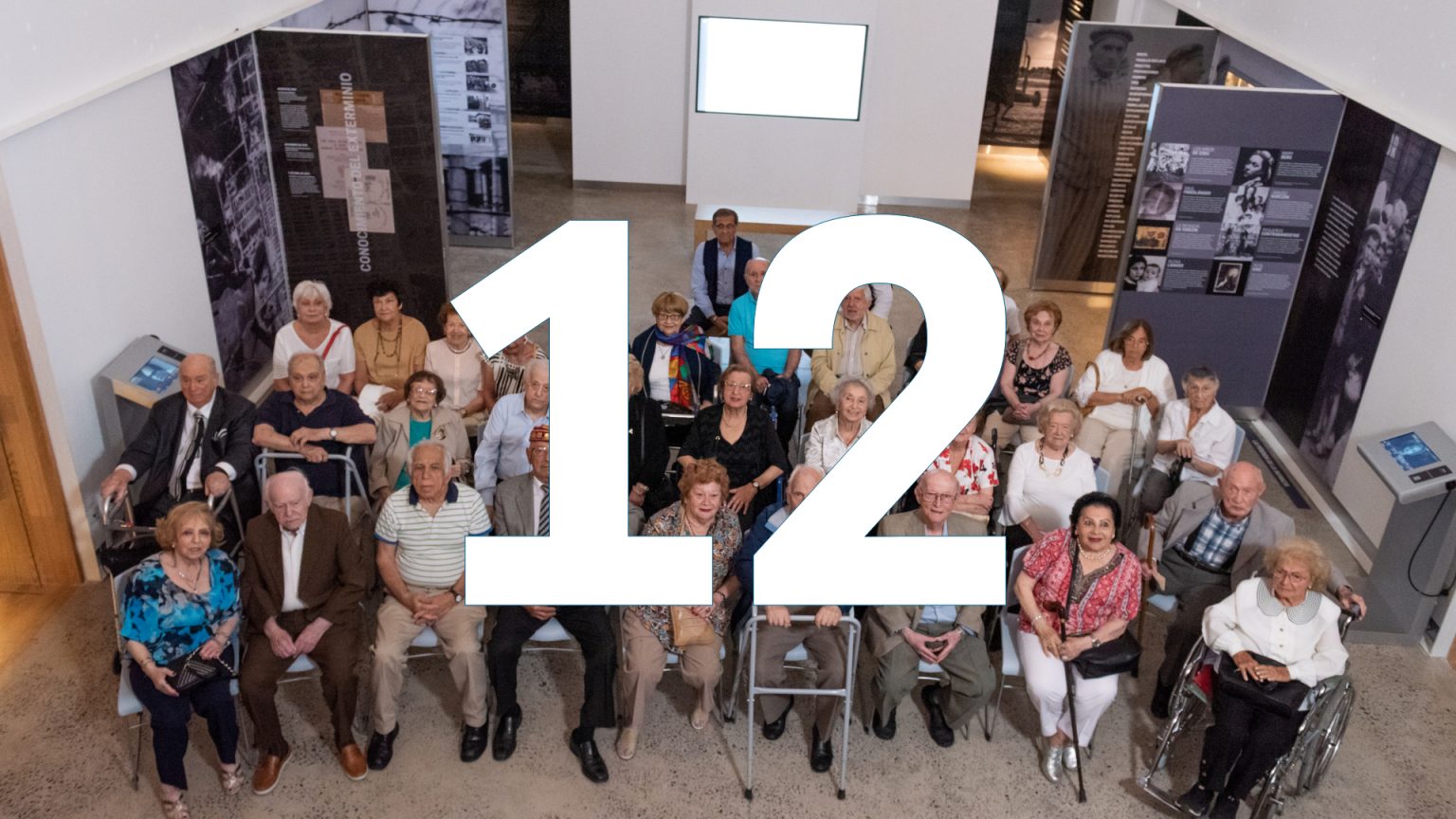
Unos 250.000 judíos sobrevivientes del Holocausto vivieron en campos de personas desplazadas —DP Camps— en Alemania, Austria e Italia. Allí recibieron asistencia básica, reconstruyeron la vida comunitaria y buscaron a sus familiares, mientras aguardaban la posibilidad de ser recibidos por algún país.
En ese contexto, la Argentina apareció como un posible destino, aunque atravesado por fuertes contradicciones entre su tradición inmigratoria y las políticas restrictivas vigentes. Durante la inmediata posguerra, el país mantuvo una política migratoria selectiva y excluyente. Bajo el gobierno de Juan Domingo Perón, el Estado argentino priorizó una inmigración considerada “útil” para el desarrollo nacional, especialmente por la necesidad de mano de obra en actividades agrícolas e industriales. Esta política buscó una rápida asimilación étnica y cultural a la identidad argentina. Por esa razón, se fomentó principalmente la inmigración de origen italiano y español, percibida como más fácilmente integrable.
En ese marco, el ingreso de sobrevivientes judíos del Holocausto fue limitado. Entre noviembre de 1945 y junio de 1947, la Dirección Nacional de Migraciones estuvo a cargo de Santiago Peralta, un antropólogo nacionalista y declarado antisemita. Peralta promovió un criterio de selección inmigratoria de carácter étnico y cultural, y sostuvo que los judíos carecían de “afinidades sociales” con la nación argentina.
Es difícil establecer un número preciso de inmigrantes judíos durante la posguerra. Se estima que entre 1945 y 1949 ingresaron a la Argentina alrededor de 4.800 judíos, de los cuales 3.300 lo habrían hecho de forma ilegal.
Sin embargo, la Argentina fue el país de América Latina que recibió a la mayor cantidad de refugiados y sobrevivientes judíos entre 1933 y 1955. Se estima que alrededor de 40.000 judíos lograron ingresar al país, lo que convirtió a la Argentina en uno de los principales destinos del mundo para quienes huían de la persecución y del Holocausto.
Marc Turkow y los sobrevivientes del Holocausto en la Argentina
Marc Turkow fue una figura clave en la recepción, asistencia y organización de los sobrevivientes del Holocausto que llegaron a la Argentina en la posguerra. Intelectual, dirigente comunitario y referente del mundo cultural judío, cumplió un rol relevante no solo en la ayuda material, sino también como mediador entre el trauma de la experiencia europea y la reconstrucción de una vida colectiva en el exilio.
Turkow participó activamente en redes comunitarias y culturales que acompañaron a los sobrevivientes. Impulsó espacios de contención social, cultural y simbólica, fundamentales para quienes llegaron sin familia, sin recursos y, muchas veces, sin palabras para narrar lo vivido.
Su acción se vinculó especialmente con el mundo del ídish, la prensa y las instituciones culturales judías. En esos espacios, los sobrevivientes encontraron ayuda práctica, pero también un marco de pertenencia que permitió transformar la experiencia del desarraigo en memoria compartida.

 Lanzamos nuestro canal de WhatsApp
Sumate al nuevo canal oficial del Museo del Holocausto de Buenos Aires y recibí en tu celular las últimas novedades, actividades, presentaciones y propuestas educativas.
Lanzamos nuestro canal de WhatsApp
Sumate al nuevo canal oficial del Museo del Holocausto de Buenos Aires y recibí en tu celular las últimas novedades, actividades, presentaciones y propuestas educativas.