Desde la invasión alemana a Polonia, en septiembre de 1939, la persecución antijudía nazi entró en una nueva fase de expansión. A medida que avanzó la guerra, el Tercer Reich extendió su dominio sobre millones de judíos europeos y profundizó las políticas de exclusión, despojo y violencia que el régimen había iniciado en Alemania desde 1933.
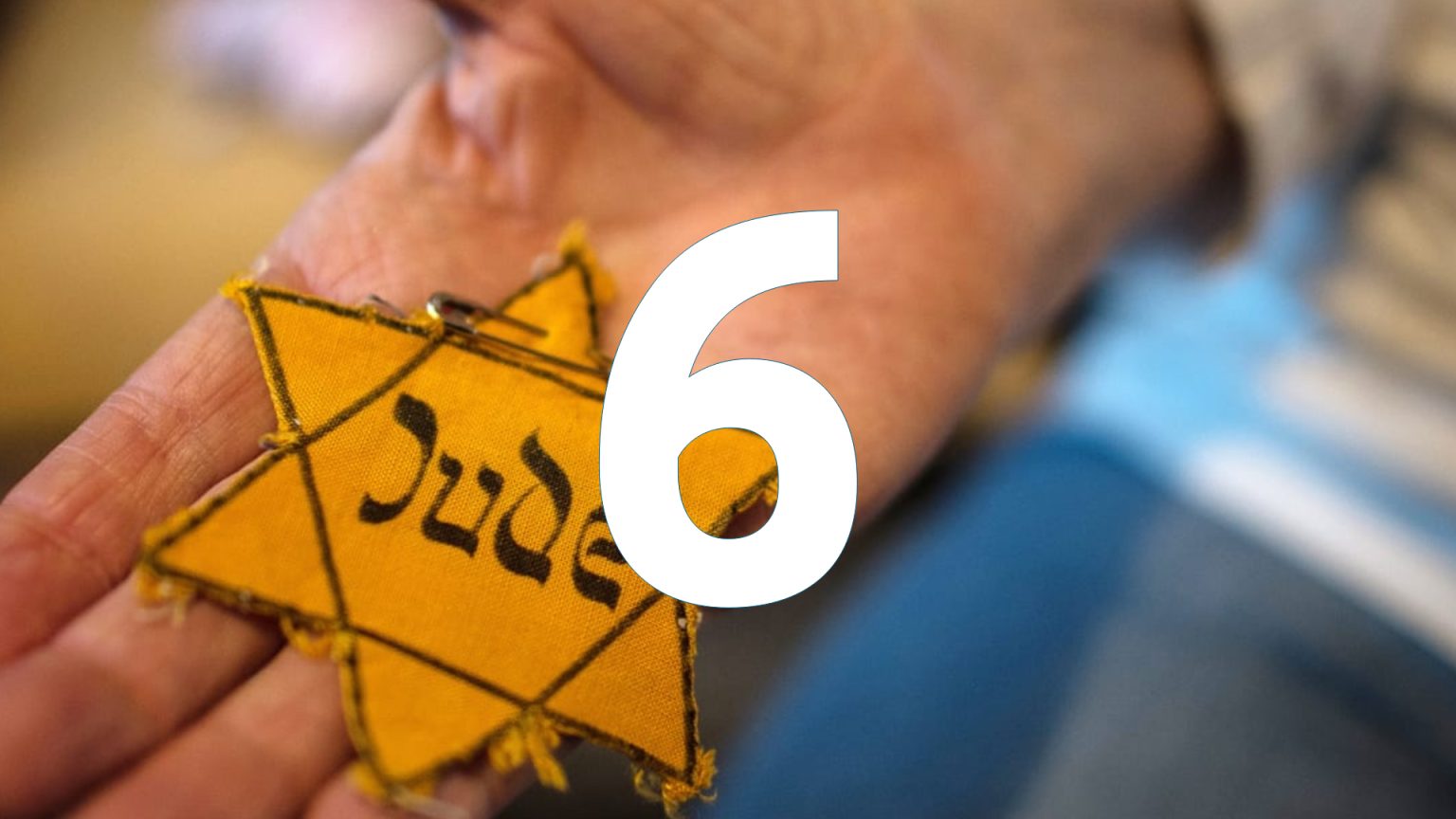
En los territorios ocupados, los judíos fueron sometidos a un proceso sistemático de segregación. Fueron obligados a portar la estrella de David como señal identificatoria y, en Europa Oriental, debieron trasladarse a guetos. Allí, el hambre, las enfermedades, el trabajo forzado, el hacinamiento y la falta de higiene provocaron una mortalidad masiva. En una primera etapa, los guetos funcionaron como espacios de confinamiento y explotación; luego pasaron a constituir un eslabón central en el proceso de deportación y exterminio.
La invasión alemana a la Unión Soviética, en junio de 1941, marcó otro punto de inflexión. En el marco de una guerra concebida por el nazismo como ideológica y racial, unidades especiales conocidas como Einsatzgruppen avanzaron detrás del ejército alemán y llevaron a cabo asesinatos masivos por fusilamiento, con la colaboración frecuente de actores locales. Hombres, mujeres, niños y ancianos fueron ejecutados en bosques, barrancos y fosas comunes. Esta etapa precedió la sistematización y la industrialización de las matanzas.
La dirigencia nazi avanzó entonces hacia la llamada “Solución Final”, el plan destinado al asesinato sistemático de los judíos de Europa. Su coordinación administrativa se realizó en la Conferencia de Wannsee, en enero de 1942. A partir de ese momento, las deportaciones se intensificaron: millones de judíos fueron trasladados en trenes de carga desde guetos, ciudades ocupadas y países aliados a la Alemania nazi hacia campos de exterminio como Chełmno, Bełżec, Sobibór, Treblinka, Majdanek y Auschwitz-Birkenau.
En esos centros de muerte, la mayoría de las víctimas fue asesinada poco después de llegar, principalmente en cámaras de gas. El exterminio estuvo acompañado por el saqueo de pertenencias, la explotación del trabajo forzado y un proceso sostenido de deshumanización.
Cuando el Tercer Reich comenzó a derrumbarse, los nazis evacuaron numerosos campos y obligaron a decenas de miles de prisioneros a emprender las llamadas “Marchas de la Muerte”. La liberación de los campos por parte de los Aliados reveló al mundo la magnitud del crimen. Con el final de la guerra en Europa, en mayo de 1945, quedó expuesta una política de exterminio planificada y ejecutada por el Estado nazi.
Durante la Segunda Guerra Mundial, el nazismo asesinó a seis millones de judíos, tres millones de prisioneros de guerra soviéticos, 1,8 millones de civiles polacos no judíos, 200.000 personas con discapacidad, entre 196.000 y 220.000 gitanos, alrededor de 1.900 Testigos de Jehová, al menos 70.000 personas clasificadas como “criminales” o “asociales”, miles de homosexuales y un número indeterminado de opositores políticos.

 Lanzamos nuestro canal de WhatsApp
Sumate al nuevo canal oficial del Museo del Holocausto de Buenos Aires y recibí en tu celular las últimas novedades, actividades, presentaciones y propuestas educativas.
Lanzamos nuestro canal de WhatsApp
Sumate al nuevo canal oficial del Museo del Holocausto de Buenos Aires y recibí en tu celular las últimas novedades, actividades, presentaciones y propuestas educativas.