
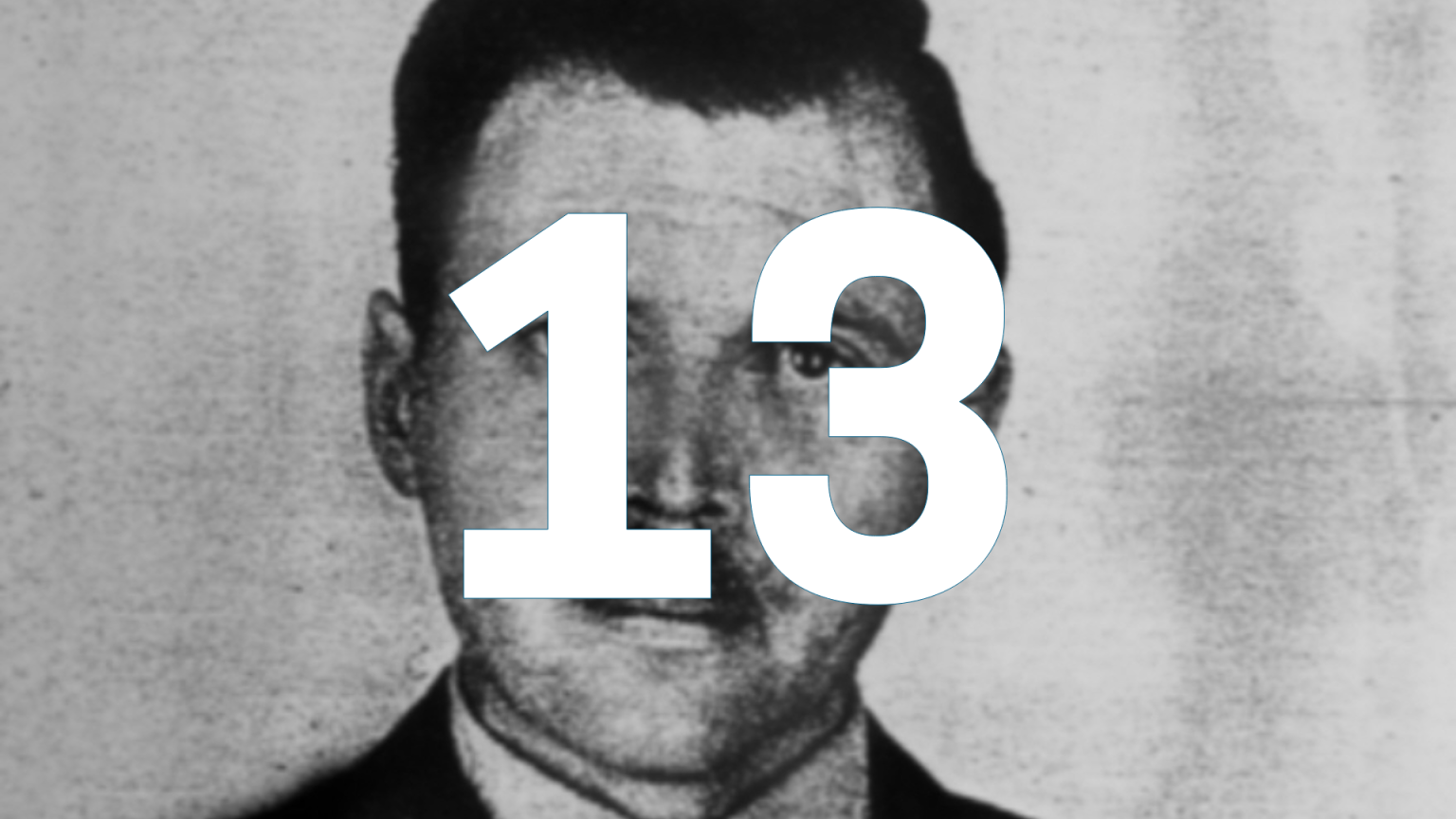
Al finalizar la guerra en 1945, Europa quedó devastada y atravesada por desplazamientos masivos de población. En ese escenario emergió la Guerra Fría y se inició un proceso de desnazificación impulsado por los Aliados, que no logró ser uniforme ni completo. Miles de exmiembros del régimen nazi, colaboradores y criminales de guerra buscaron evadir la justicia. América Latina apareció como un destino posible dentro de un abanico de opciones que también incluyó a Europa, Medio Oriente, Estados Unidos y Egipto entre otros países.
En el caso argentino, la inmigración de alemanes después de la guerra se inscribió en una política impulsada durante el gobierno de Perón, que buscó atraer inmigrantes europeos para contribuir a la modernización, el desarrollo industrial y el fortalecimiento demográfico del país. Dentro de ese flujo mayoritario de inmigrantes legales y no vinculados con crímenes se infiltró un número reducido pero significativo de nazis y colaboradores. Las investigaciones coincidieron en que no existió un plan oficial explícito y sistemático para recibir criminales de guerra, pero sí una combinación de desinterés, negligencia, afinidades ideológicas parciales y aprovechamiento pragmático de saberes técnicos y militares alemanes.
Las llamadas ratlines —rutas de escape organizadas desde Europa— jugaron un papel central. A través de redes que involucraron a sectores de la Iglesia católica, ex camaradas, funcionarios europeos y organizaciones humanitarias, muchos nazis obtuvieron documentos falsos o asumieron nuevas identidades. La Argentina se integró a estas redes como destino final o como escala, especialmente durante los primeros años del peronismo, cuando el control migratorio resultó más laxo y la prioridad se concentró en la llegada de europeos considerados “útiles” para el país.
En 1997, el Poder Ejecutivo creó por decreto la CEANA —Comisión para el Esclarecimiento de las Actividades del Nazismo en la Argentina—. Su misión fue investigar, sistematizar y poner a disposición pública documentación oficial, principalmente archivos estatales argentinos y extranjeros, sobre la presencia, las actividades y las redes de nazis y colaboradores en la Argentina, así como sobre las políticas del Estado argentino antes y después de la Segunda Guerra Mundial. La CEANA produjo informes finales que ayudaron a desmitificar exageraciones, precisar responsabilidades y mejorar el acceso a fuentes primarias para la investigación histórica.

 Lanzamos nuestro canal de WhatsApp
Sumate al nuevo canal oficial del Museo del Holocausto de Buenos Aires y recibí en tu celular las últimas novedades, actividades, presentaciones y propuestas educativas.
Lanzamos nuestro canal de WhatsApp
Sumate al nuevo canal oficial del Museo del Holocausto de Buenos Aires y recibí en tu celular las últimas novedades, actividades, presentaciones y propuestas educativas.