En la Alemania de entreguerras, los judíos fueron ciudadanos de pleno derecho y se integraron plenamente a la sociedad. Para muchos, Alemania fue su patria y se autodefinieron como “alemanes judíos”. Desde su llegada al poder, el régimen nazi impulsó la emigración judía mediante un conjunto de medidas legales destinadas a aislarlos, empobrecerlos y expulsarlos de la vida pública. La primera acción antisemita de alcance nacional fue el boicot a negocios y profesionales judíos. Luego siguieron la expulsión de la función pública, las restricciones económicas, la exclusión de universidades y la limitación del acceso a espacios públicos. En paralelo, la propaganda difundió estereotipos antisemitas y buscó legitimar socialmente la persecución y el hostigamiento.
La política antijudía se radicalizó con las Leyes de Núremberg. Desde su promulgación, los judíos perdieron la ciudadanía alemana, fueron excluidos de numerosas profesiones y debieron vender bienes a precios muy inferiores a los del mercado. Además, el matrimonio y las relaciones sexuales entre judíos y “arios” pasaron a ser delitos, lo que profundizó la segregación legal y social. Pese a estas medidas, hacia 1937 los nazis consideraron que la emigración avanzó más lentamente de lo esperado. Aunque el aislamiento y la pobreza crecieron, sólo una cuarta parte de los judíos había abandonado el país.
El año 1938 marcó un punto de inflexión. En marzo, Alemania anexó Austria mediante el Anschluss y, desde entonces, intensificó la intimidación y la violencia contra los judíos. En julio, la Conferencia de Évian, realizada en Francia, intentó buscar destinos para los refugiados judíos, pero la mayoría de los 32 países participantes se negó a ampliar sus cupos migratorios. Esa negativa reforzó la percepción nazi de que el mundo no mostraba especial interés en frenar la discriminación. Ese mismo año, el régimen obligó a los emigrantes judíos a marcar sus pasaportes con una “J” roja y a añadir los nombres “Israel”, en el caso de los varones, o “Sara”, en el caso de las mujeres. En octubre, 18.000 judíos con pasaporte polaco fueron expulsados y los niños judíos quedaron excluidos del sistema educativo.
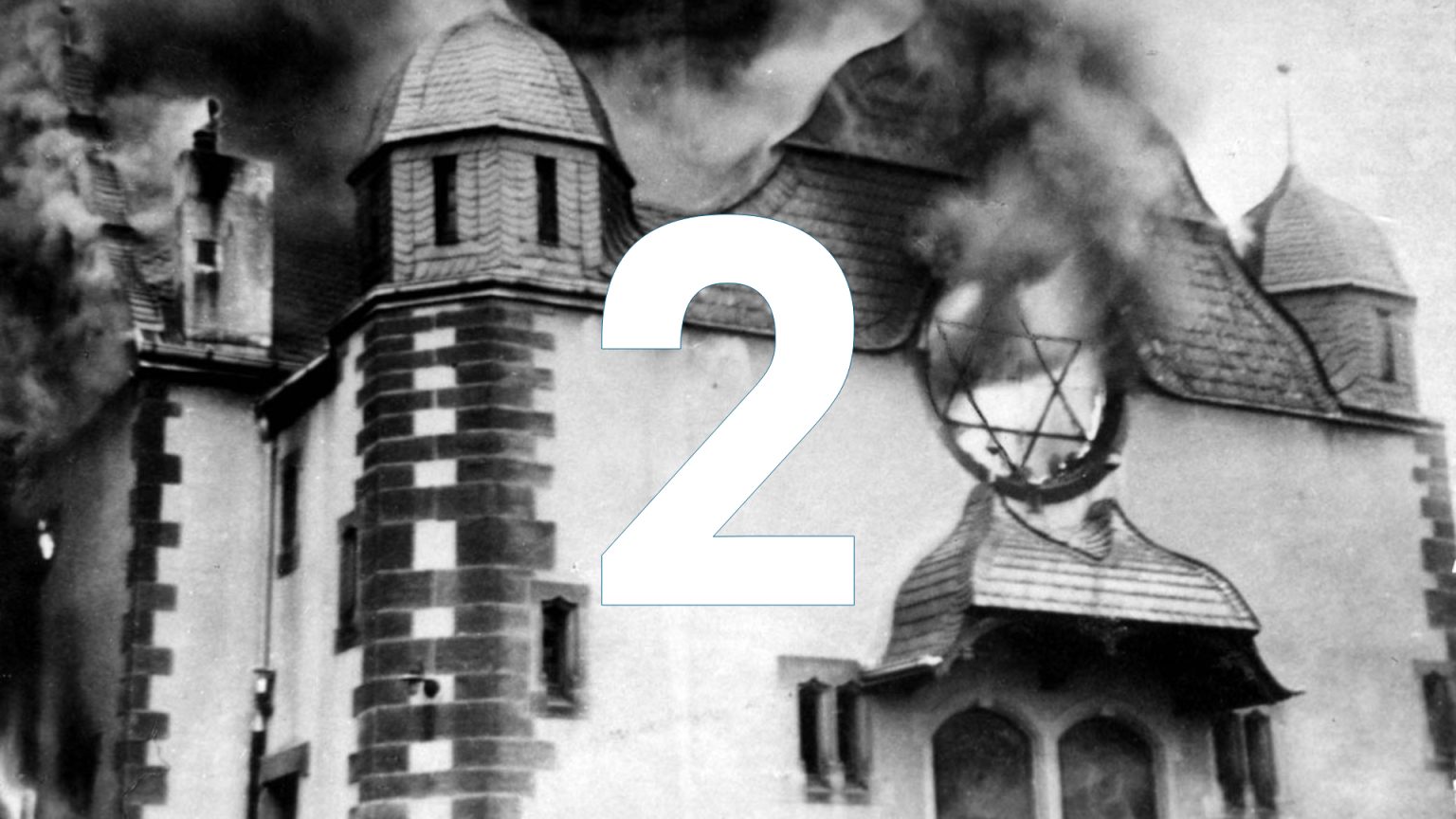
La culminación de este proceso fue el Pogromo de Noviembre, conocido como “Noche de los Cristales Rotos”, ocurrido entre el 9 y el 10 de noviembre de 1938. Tras el asesinato en París del diplomático Ernst vom Rath por el joven judío Herschel Grynszpan, el ministro de Propaganda Joseph Goebbels aprovechó el hecho para instigar una ola de violencia. Durante dos noches, grupos paramilitares, miembros del Partido Nazi y algunos ciudadanos atacaron a la población judía, asesinaron a cientos de personas, agredieron a mujeres judías y destruyeron propiedades. Más de 30.000 varones judíos, de entre 16 y 60 años, fueron enviados a campos de concentración. Además, cientos de sinagogas fueron incendiadas o demolidas y 7.500 negocios fueron destruidos.
Aunque muchos alemanes rechazaron la violencia, el pogromo produjo un fuerte impacto psicológico y material sobre la población judía. El ataque desmoralizó a las comunidades, aceleró la emigración y mostró que la persecución antijudía pasó de la exclusión legal y social a una violencia abierta, organizada y avalada por el Estado nazi.

 Lanzamos nuestro canal de WhatsApp
Sumate al nuevo canal oficial del Museo del Holocausto de Buenos Aires y recibí en tu celular las últimas novedades, actividades, presentaciones y propuestas educativas.
Lanzamos nuestro canal de WhatsApp
Sumate al nuevo canal oficial del Museo del Holocausto de Buenos Aires y recibí en tu celular las últimas novedades, actividades, presentaciones y propuestas educativas.